TUCAB is fully familiar with the concepts of sustainability and ecology, making them a priority in its business area, aiming to identify alternative materials with a reduced impact on the environment.
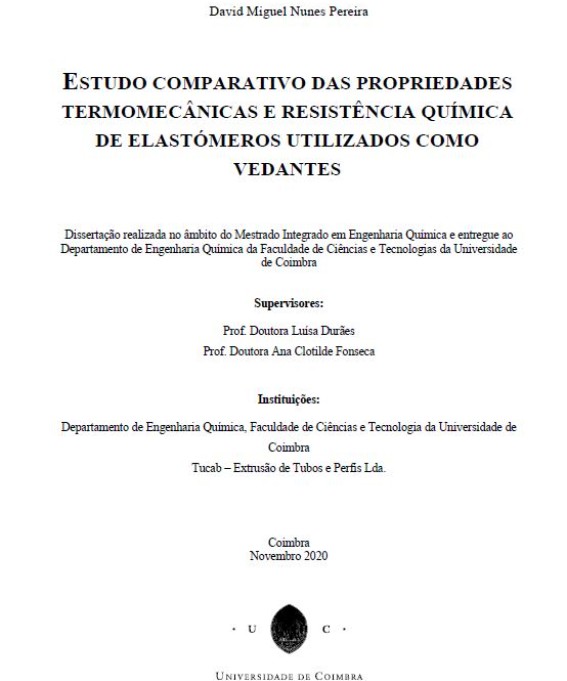
In this sense, TUCAB developed together with the Department of Chemical Engineering of the University of Coimbra a master's thesis with the objective of analyzing and comparing the thermomechanical and chemical resistance properties of EPDM (Ethylene Rubber – Propylene – Diene) and SEBS (Styrene – Ethylene/Butylene – Styrene).
Briefly, EPDM is an elastomer vulcanized which is commonly called rubber, while SEBS is a thermoplastic elastomer commonly called TPE.
SEBS has a simpler processing method compared to EPDM, with fewer steps associated with simpler and more economical quality control, its main advantage being its contribution to circular economy policies as it allows its recyclability without limiting or reducing its properties, minimizing production waste in manufacturing industries that can reprocess the material with low energy resources. (PEREIRA,2020)
The increased use of thermoplastics can have a significant positive impact on sustainability and circular economy policies, due to their recyclability. Thermoplastic elastomers (TPE) are recovered and their waste is used in different productions. (PEREIRA,2020)
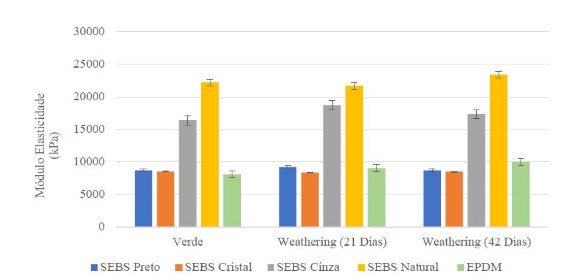
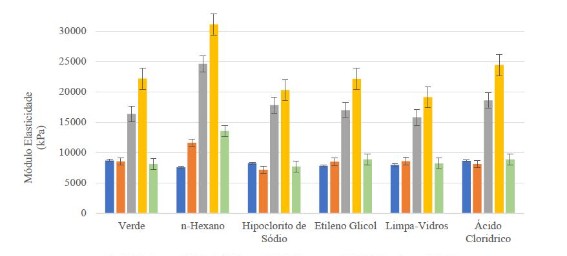
One of the studies carried out aimed to compare the chemical resistance of various types of SEBS in comparison to EPDM, which allows us to conclude that the Black SEBS used in the study has a chemical resistance very similar to EPDM when exposed to various chemicals. The results are also consistent when carrying out Weathering's study, which aimed to expose different materials to atmospheric conditions (See photos indexed to the publication)
The use and development of polymers will guarantee a sustainable future, as their immense variability and applications make this group of materials extremely suitable for numerous applications. Thermoplastics are highly recyclable polymeric materials whose processing is clearly simpler when compared to rubbers. Rubber materials, which are thermosetting, do not allow for easy recycling and their manufacture, as already mentioned, contributes significantly to the ecological footprint. (PEREIRA,2020)
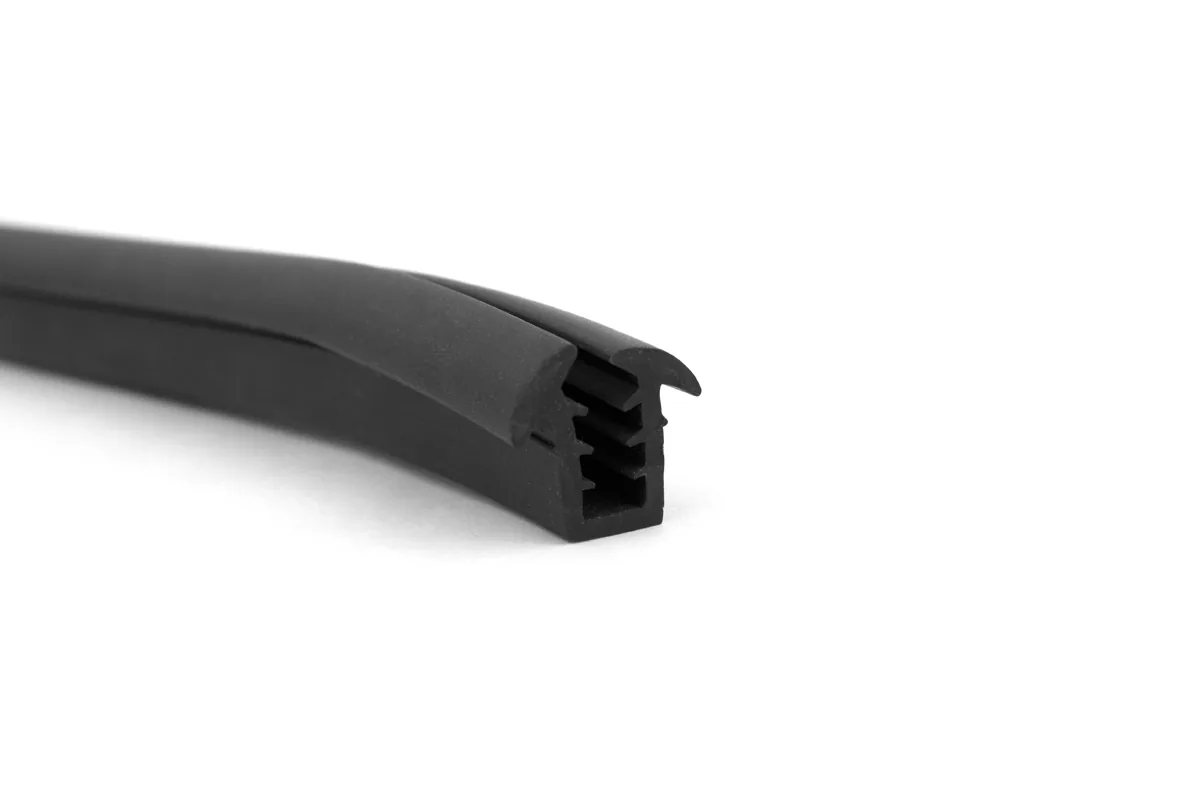
TUCAB has a wide range of thermoplastic elastomers at your disposal, namely different grades and colors of SEBS to suit your needs.
PEREIRA, D.M.N (2020). Comparative Study of Thermomechanical Properties and Chemical Resistance of Elastomers used with seals. Dissertation carried out within the scope of the Integrated Master's Degree in Chemical Engineering and delivered to the Department of Chemical Engineering of the Faculty of Sciences and Technologies of the University of Coimbra, pp v,3,15,33, 43-44.