3D Printing and Its Use in the Education System
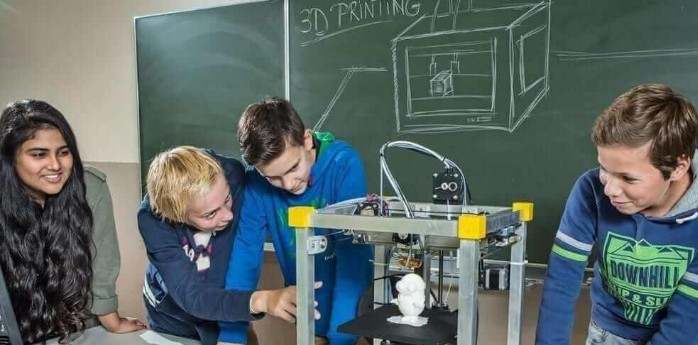
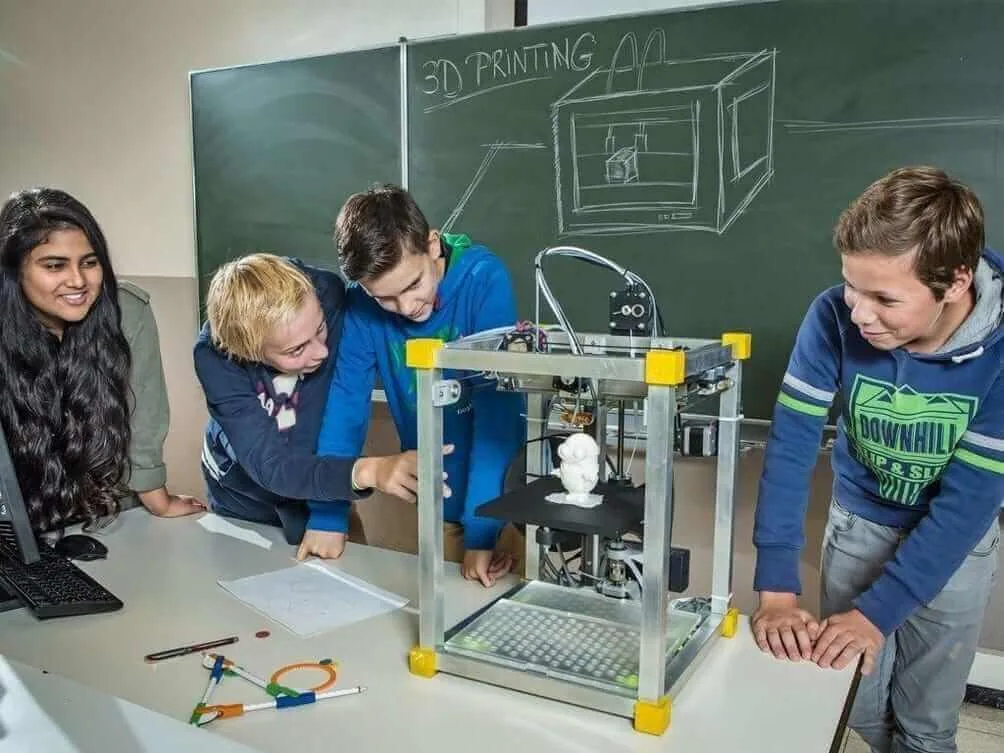
3D printing, also known as additive manufacturing, has stood out as a revolutionary tool in several sectors, and education is no exception. The integration of this technology into educational environments can transform the learning experience, offering new teaching methodologies and practical opportunities for students.
Benefits of 3D Printing in Education
Practical and Visual Learning: 3D printing allows theoretical concepts to be made tangible. Students can create three-dimensional models of biological structures, geometric shapes or even historical monuments, facilitating the understanding of complex concepts.
Stimulating Creativity and Problem Solving: With the ability to prototype, students are encouraged to experiment, create and solve real problems. This promotes critical thinking and innovation from an early age.
Development of Interdisciplinary Skills: 3D printing can be applied in various disciplines, such as biology, mathematics, history, and arts, encouraging an interdisciplinary approach to teaching.
Collaboration and Teamwork: 3D printing projects often require collaboration, helping to develop communication and teamwork skills, essential in today's job market.
Practical Applications in EducationBiology and Medicine: Prints of organs, cells and even prosthetics allow life sciences students to visualize and interact with biological structures, improving their understanding of anatomy and physiology.
Architecture and Engineering: 3D printed models can be used to visualize construction or engineering projects in a more realistic and interactive way, facilitating the understanding of structural design and urbanism concepts.
Arts and Design: Students can materialize their creations artistic or design projects, exploring shapes, textures and materials in a more tangible way.
History and Geography: 3D models of historical monuments or geographic landscapes can be used to illustrate classes, providing a more immersive educational experience.
Challenges and ConsiderationsCost: Implementing 3D printers in schools can be costly, requiring a significant initial investment.
Training: Both educators and students may require training to efficiently use 3D printers, which may require additional time and resources.
Safety: There is a need for safety precautions, both in terms of handling the machines and in relation to exposure to materials or gases that may be harmful.
Success in Other Parts of the World
In countries such as the USA, the United Kingdom and Australia, 3D printing has already established itself as a pedagogical tool. Schools and universities use this technology to develop practical classes, research projects and even to prepare students for the demands of the job market.
3D printing in the education system not only enriches the educational process but also prepares students for a future where technology and innovation are central. Although there are challenges to be overcome, the potential benefits for learning are undeniable, promising a more dynamic, interactive education aligned with the needs of the 21st century.