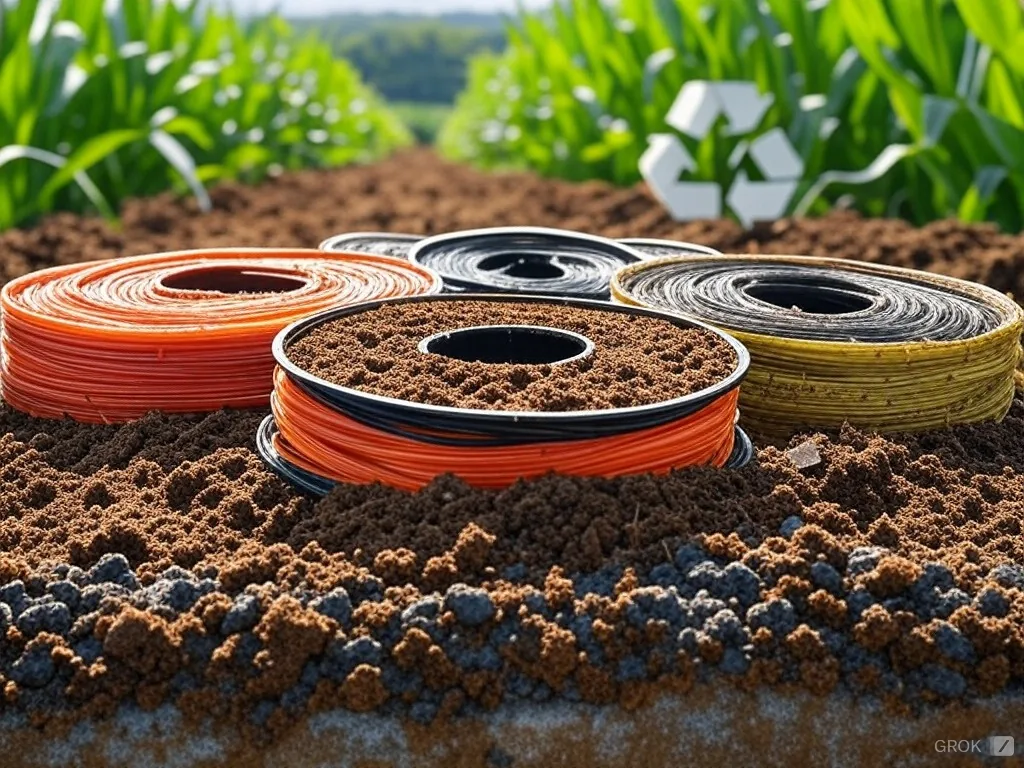
The biodegradability of Polylactide (PLA) is one of its most notable and advantageous characteristics, especially when it comes to sustainability and reducing environmental impact. Here are some important points about the biodegradability of PLA:
Specific Conditions: PLA is biodegradable, but not in the sense that it decomposes quickly in any environment. It requires industrial composting conditions, which include elevated temperatures (above 50°C, often in the range of 60-70°C), high humidity, and the presence of specific microorganisms that can metabolize PLA. Under these conditions, it can break down into water, carbon dioxide, and biomass over a period of weeks to a few months.
Industrial Composting: PLA breaks down most efficiently in industrial composting, where controlled conditions accelerate the biodegradation process. Home or environmental composting may not provide the necessary conditions for rapid degradation of PLA, leading to much longer times for complete decomposition.
Certification: To be considered compostable in industrial facilities, PLA must meet standards such as EN 13432 in Europe or ASTM D6400 in the United States, which include criteria for disintegration, biodegradation, and absence of negative effects on the composting process and compost quality final.
Marking and Identification: Products made from compostable PLA are often marked with the compostable symbol and/or the number "7" in a triangle, indicating that they are a type of plastic that requires special treatment for degradation.
Limitations: In natural environments such as the sea or landfills, PLA does not degrade as quickly as it might in a composting facility. This is due to the lack of ideal conditions necessary for rapid biodegradation. In landfills, it can take years or decades to completely decompose.
Environmental Impact: Although PLA is more sustainable than petroleum-derived plastics, its biodegradability depends on it being properly disposed of in composting facilities. If it is not, it can persist in the environment for significant periods, leading to criticism about its true "sustainability" if waste management is not adequate.
Innovations: Ongoing research is focusing on improving the biodegradability of PLA under different conditions, including modifying the material to break down more quickly in natural environments or developing new composting techniques that can treat PLA more efficiently.
Want to be part of this change? Choose Fil3D PLA for your next projects and help build a greener world!
Learn more about how our filaments can transform your creations into tucab.pt/fil3d.
hashtag#Fil3D hashtag#Tucab hashtag#3DImpression hashtag#Biodegradable hashtag#Sustainability hashtag#PLA hashtag#Compostable hashtag#MadeInPortugal hashtag#EcoFriendly hashtag#3dprinting hashtag#3dprint
Fil3D PLA: Compostable and Sustainable for a Better Future